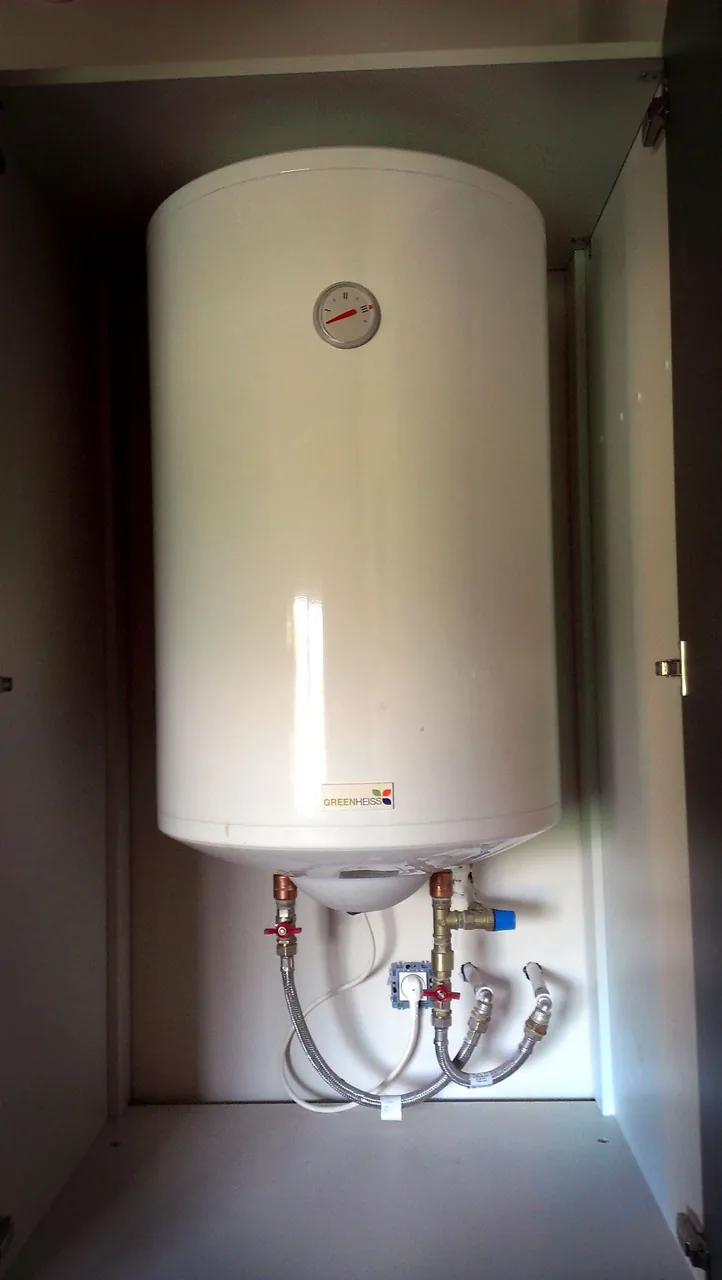
Repair cost versus system suitability
Deciding whether to repair a gas geyser requires more than comparing a call-out cost with the price of a new unit. Consider its age, overall condition, parts availability, installation suitability and the nature of the defect. A working-looking heater may still have a safety issue, while a relatively new unit with one failed control may be economical to repair.
Identify the actual failure
A no-hot-water complaint might be caused by low activation flow, a failed sensor, ignition hardware, water mixing or a protected lockout. Each has a different possible remedy. Repair-versus-replacement decisions should follow appropriate testing, not the assumption that a heater is beyond repair because it repeatedly turns off. Any suspected leak or unsafe combustion requires immediate safe action regardless of the unit’s age.
Consider age and parts support
Manufacturer-supported replacement sensors, controls and other correct parts can make targeted repair reasonable. Replacement becomes more attractive when multiple systems are failing, critical parts are no longer available or the appliance shows significant deterioration. Beware of fitting components intended for a different gas type or model; compatibility and practitioner scope matter more than a superficial fit.
Check the intended hot-water demand
Even a repaired geyser will disappoint if it is consistently asked to provide more heated water than its rating supports. A growing household or extra bathroom can change demand. Before proposing a new heater, compare the intended draw-off flow, incoming-water temperature, number of simultaneous users and installation limitations. Bigger equipment is not always required to fix a local shower mixing problem.
Include installation compliance and ownership
A replacement may involve approved ventilation, flue, pressure and connection work, and the applicable compliance obligations. Such work must be planned and undertaken by an authorised practitioner; customers should receive the appropriate documentation when legally required. Ask for a clear explanation of the proposed work, suitable equipment and any subsequent checks before authorising a new installation.
Questions worth asking about the proposed price
Ask whether the quoted amount includes an approved component or a full replacement installation, what labour and testing are covered, and whether additional compliant alterations might be needed. Do not compare the supply-only price of a geyser with the total price of work that includes installation and required documentation. If the existing unit is incorrectly sized or sited, the quote should address those issues rather than only swapping a damaged component.
Plan for the whole useful life of the system
The most economical option is not always the one with the lowest first invoice. A repair to an aging heater with scarce parts could leave repeated outages, while replacing a sound unit because of a faulty mixer may waste money. Consider maintenance history, expected water demand, installation access and warranty conditions. A professional should explain the evidence for the recommendation in plain language, including what would remain unresolved if only one part were replaced.
Professional repair and related reading
For an appliance-specific service assessment, visit Gas Geyser Repairs. Further reading: Gas Geyser Hot Then Cold: Understanding Temperature Cycling, Gas Installation Certificate of Conformity in South Africa.
Questions about this service
Is an old gas geyser automatically unsafe?
Age alone does not decide; condition, safety performance, maintenance and parts support need evaluation.
Will a larger geyser always solve cold showers?
No. Flow restrictions, mixers and control faults may still produce the same symptoms.
Who can reconnect a replacement unit?
Gas installation work must be performed within the appropriate registered practitioner’s authorised scope.