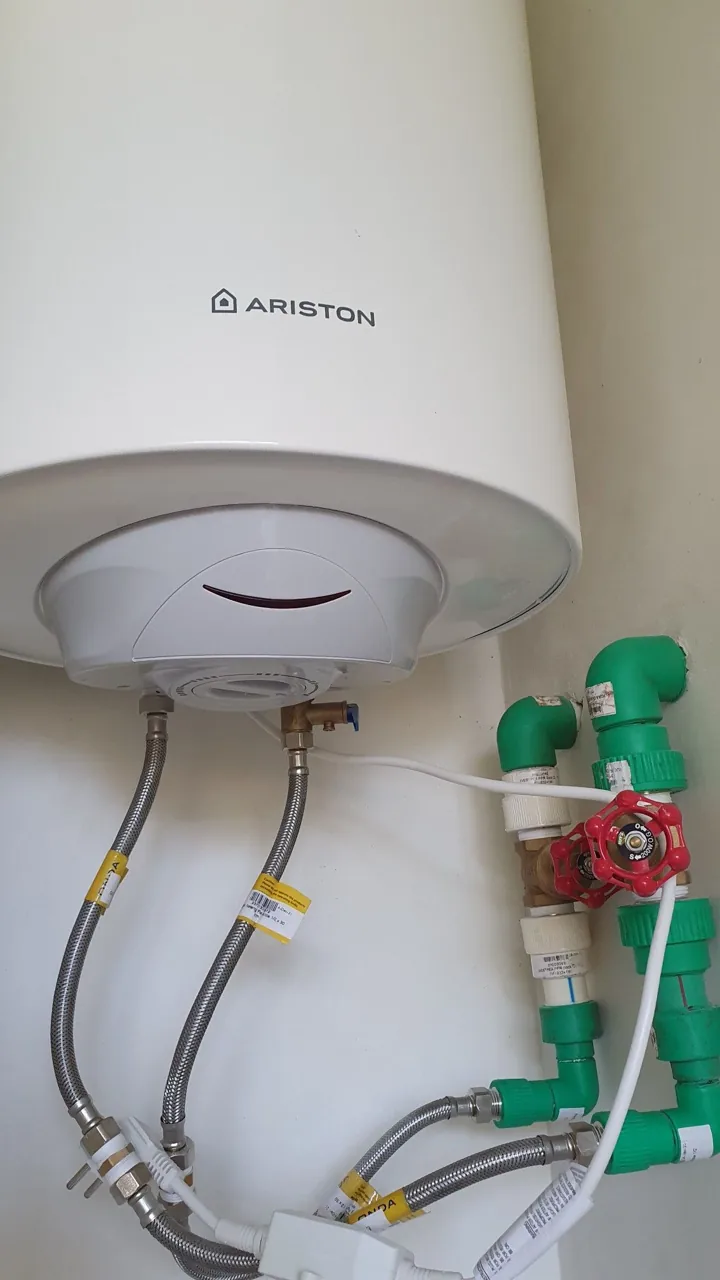
Gas water heater activation failure
A gas geyser may appear completely inactive, display an error or ignite briefly without heating the water. These are different conditions. Useful observations include whether cold water flows normally, whether the problem affects every outlet and whether the unit displays an error. Never remove an appliance cover or manipulate its gas controls to troubleshoot.
No response when a hot tap opens
Some instantaneous units need a minimum flow before starting. If a low-flow basin tap never activates the heater while a fully opened shower does, the flow and mixing arrangement may be relevant. A unit that does not respond at any outlet may instead have a power, control, water-sensing or safety issue. The exact activation design depends on the model.
Geyser starts but no useful heating follows
An ignition sound or display light does not guarantee proper burner operation. A fault may concern ignition, flame detection, temperature sensing or water-flow control. When a heater starts then immediately locks out, record any display code but do not force repeated restart attempts. The technician should diagnose the underlying reason before deciding whether a component is repairable.
Differentiate plumbing symptoms
If only one shower is cold while the kitchen receives hot water, local mixer settings or water pressure may be affecting the outlet. Testing by a competent plumber may be more relevant than opening the geyser. Describe which taps are affected and whether the issue began after a mixer or plumbing repair. Such information helps route the enquiry correctly.
Safety and booking preparation
If there is any gas smell, suspected flue problem or abnormal combustion, stop use and get professional help. Do not bypass a flow switch or open the burner assembly. For a routine no-hot-water enquiry, share the exact brand, model, displayed fault, location of installation and whether every outlet is affected. A properly scoped assessment avoids needless replacement.
Outdoor versus indoor installation context
The location and type of heater matter when discussing an ignition or lockout complaint. Some models are designed for outdoor use while others require specific flue and ventilation arrangements. A homeowner should not move the heater, block an outlet or alter an enclosure to try to improve starting behaviour. Tell the service team if the unit is exposed to rain, mounted inside a cupboard, or fitted with a flue so the correct installation requirements can be considered.
Why replacing a whole geyser is not the first step
A no-hot-water report can end with a relatively contained repair or with a recommendation to replace the unit, but neither is justified before inspection. The deciding factors include the actual fault, availability of approved parts, equipment age and whether the appliance is suited to the required water flow. An older heater with reliable support may be repairable; a newer one with an unsuitable or unsafe installation still requires that underlying concern to be resolved. Ask for the distinction between an appliance fault and a property plumbing fault.
Professional repair and related reading
For an appliance-specific service assessment, visit Gas Geyser Repairs. Further reading: Gas Geyser Hot Then Cold: Understanding Temperature Cycling, Gas Geyser Error Codes: Why the Model Number Matters.
Questions about this service
Could a blocked showerhead stop ignition?
Some instantaneous systems require a minimum flow, but the cause should be checked safely without changing gas settings.
What if water pressure is low throughout the home?
A property-wide water issue may need plumbing attention as well as assessment of the heater.
Should I keep resetting the heater?
Repeated lockouts should be investigated; do not defeat safety controls or repeatedly force restarts.