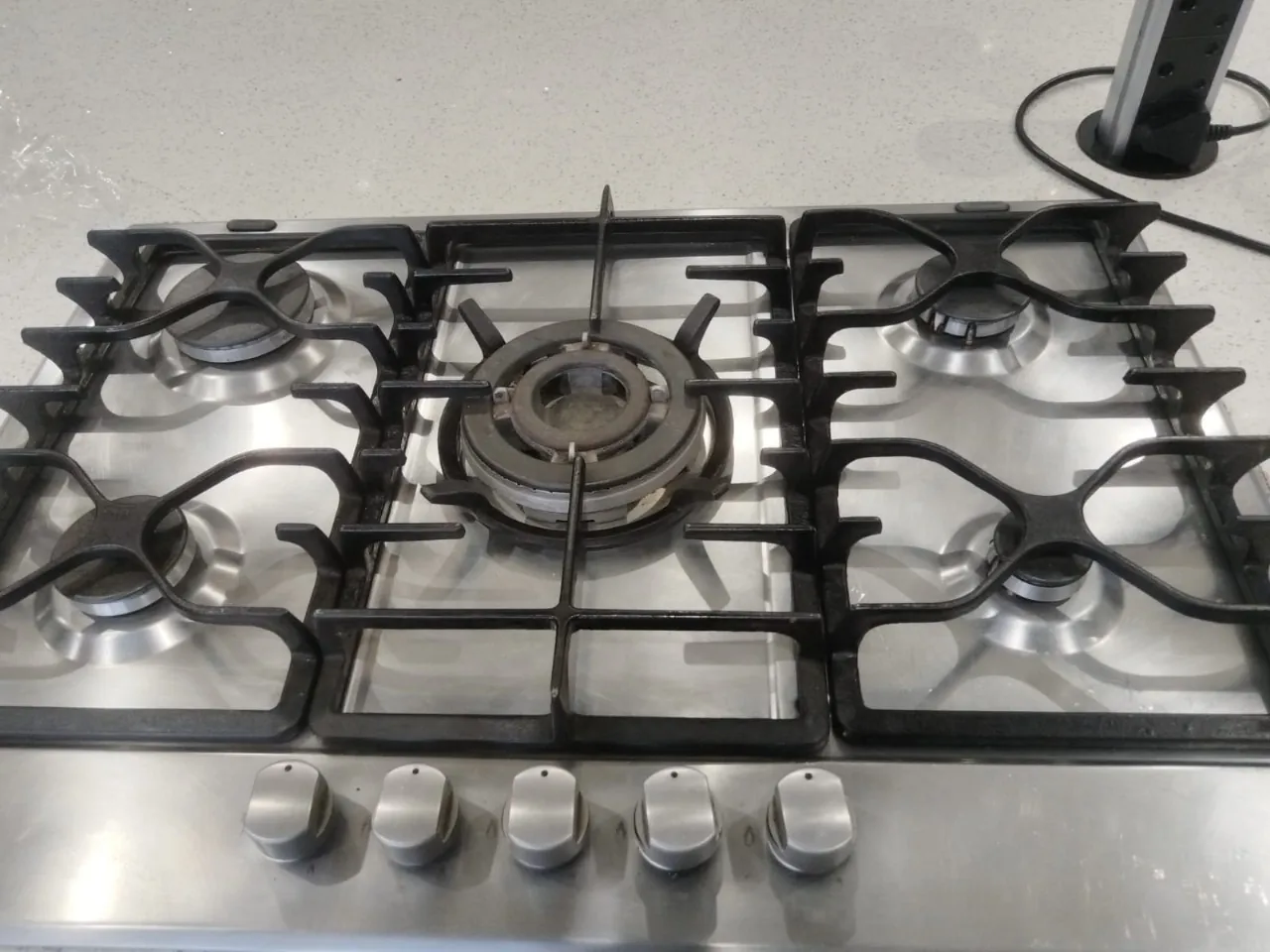
Understanding an ignition electrode has become visibly damaged near a burner
A ceramic electrode beside the gas ring can crack or break after years of heat and cleaning. A Lynnwood homeowner might see an irregular spark path or hear clicking without reliable ignition on that one burner.
Why this symptom may occur
The spark needs to bridge the intended gap at the burner. Cracked ceramic, contamination or a damaged lead may divert it. An electrode problem is distinct from a gas control that does not open properly; replacing the visible ceramic part without testing the rest of the assembly can leave a recurring fault.
Installation details that influence diagnosis
A fixed hob may have decorative trim and sealed controls that should not be lifted casually. Some models route ignition leads close to hot areas underneath. The installation must preserve manufacturers’ specified protection and access after service.
How the fault should be assessed
The repair assessment can establish whether a compatible electrode and lead assembly is available and whether the ignition generator still performs correctly. The gas-side safety of the relevant burner remains a separate check. Only a qualified service person should expose or reconnect internal components.
Deciding between a repair and replacing the hob
If a single approved electrode assembly is damaged and the rest of the hob is healthy, targeted replacement can be reasonable. Persistent arcing damage, heat-affected wiring or obsolete proprietary parts can increase scope. We will distinguish those findings before recommending a new cooktop.
Preparing your service enquiry
For Lynnwood, send the brand and a clear photograph of the burner from above while the hob is completely off and cool. State whether the ring has ever lit reliably since the visible damage; avoid probing the electrode or attempting to adjust the spark gap.
What makes this fault distinctive
Damage to the white ceramic around an igniter can leave a spark seeking an unintended route. This may appear as a small arc beneath the ring or a repeated click without lighting. A professional should distinguish a broken insulator from a mispositioned burner cap and from a fault in the power module. Do not move a live electrode to “restore” its spark position.
System and installation questions
Electrode assemblies differ in length, mounting shape, terminal and lead insulation. An apparently suitable generic part can sit too close to heat or fail to align with the designed ignition point. On a fitted hob, the underside may also be exposed to steam from an adjacent kitchen appliance. The part must be chosen by the actual make and model.
Evidence of a successful repair
After replacement, the spark should occur at its intended point during commanded ignition and cease appropriately. Inspection should include the wiring route, protective insulation and safe gas operation before the appliance is handed back. If the same defect has recurred, the underlying cause—heat, moisture or mechanical interference—needs attention rather than another isolated electrode swap.
Details to include when arranging service
- Which make, model and gas type are marked on the lynnwood hob?
- When did an ignition electrode has become visibly damaged near a burner first become noticeable?
- Has the installation, adjacent cabinetry or ignition power supply changed since then?
- Can the person authorising the work give access without dismantling the appliance?
What the service recommendation needs to address
The small ceramic igniter is a visible part of a larger electrical ignition chain. A broken tip may be the immediate reason the spark misses the burner, but heat damage or compromised insulation beneath the cooktop can also matter. A thorough assessment should examine the cable and its approved routing rather than treating the ceramic piece as a stand-alone cosmetic item. The hob model may use a specific connector, electrode height and insulating sleeve. Matching only the length of an aftermarket replacement is not enough. If the appliance is tightly built into kitchen cabinets, access to the underside must protect both the gas connection and nearby electrical devices. The close-out should demonstrate reliable ignition without unintended sparking and proper operation of the gas shut-off. If a damaged component has previously been changed, disclose that history so recurring causes can be evaluated.
Questions about gas hob repairs in Lynnwood
Can I request a hob assessment in Lynnwood?
Yes. We accept gas hob service enquiries for Lynnwood from our Laser Park base. Share the address, model and symptoms so we can confirm coverage and attendance.
What information helps with this an ignition electrode has become visibly damaged near a burner?
For Lynnwood, send the brand and a clear photograph of the burner from above while the hob is completely off and cool. State whether the ring has ever lit reliably since the visible damage; avoid probing the electrode or attempting to adjust the spark gap.
Is it safe to keep using the hob while waiting?
Not if there is a suspected leak, unstable flame, soot, scorching or other indication of unsafe operation. Stop using it and seek qualified assistance. Never override the flame-safety arrangement.