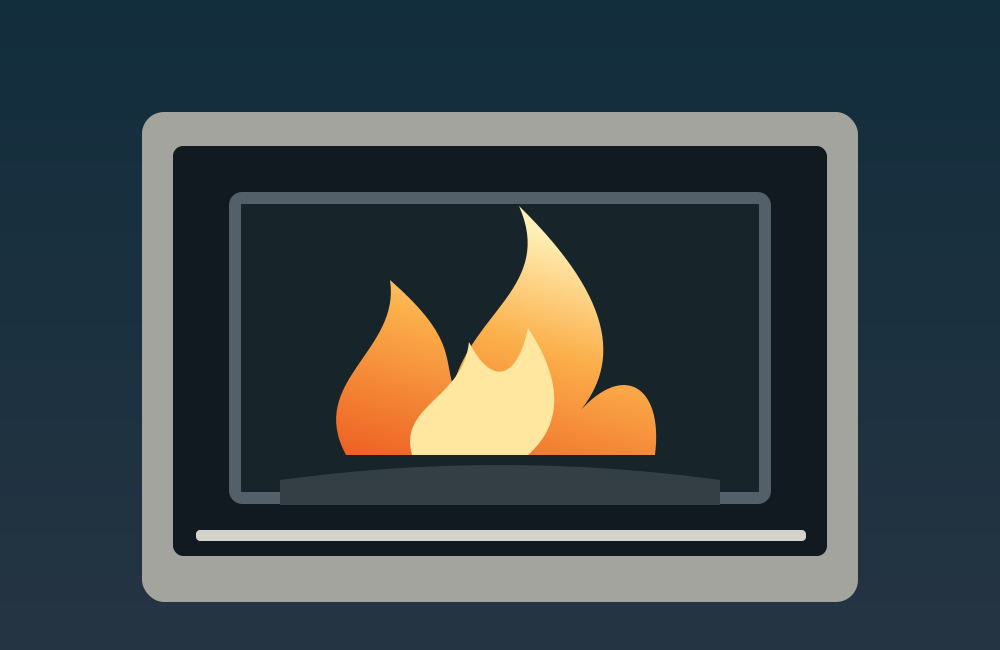
Flame height rises and falls unexpectedly in Bedfordview
A Bedfordview lounge fireplace may produce a tall flame for several minutes and then reduce sharply even though the heat setting has not been changed. Some thermostatic systems regulate flame by design; abrupt or erratic changes alongside noise or a fault indicator are different. Note the controls used and whether room temperature appears to trigger the behaviour. If the flame becomes unstable or there is an unusual smell, stop using the appliance.
What a proper inspection needs to distinguish
A control-system fault, flame-sensing issue or supply condition may look similar to normal modulation from the sofa. The exact model’s operating logic determines what counts as a defect. An authorised professional should inspect the approved gas controls and any electronic thermostat rather than adjusting pressure by feel. Where the fire shares fuel supply with other appliances, that context needs to be recorded, not treated as proof of the cause.
Installation access and information to provide
Decorative installations often have a remote sensor placed away from the actual firebox. If the room sensor has been moved, covered by curtains or exposed to another heat source, it may influence when the system modulates. Mention recent changes to the room layout and whether there is a wall thermostat. Do not move or open any gas fittings; the technician can decide what control access is necessary after identifying the product.
Deciding between repair and replacement
The recommendation should distinguish normal thermostat operation, an approved adjustment and a true component failure. A repair should conclude with confirmation that the flame responds correctly to every authorised setting and that shutdown protection remains intact. A quote should include any required manufacturer-compatible control part instead of relying on an unspecified regulator swap. If the installed system cannot be evaluated safely, it should remain off.
Modulation has a characteristic pattern
A thermostatically controlled fireplace may raise or lower its flame smoothly as room temperature changes. A sudden surge, repeated loss of flame or display fault is a different observation. Note the difference and whether it occurs with a set-point adjustment. An on-site assessor can compare that behaviour with the manual; changing supply pressure to imitate a different flame pattern is not suitable.
The temperature sensor may not be near the fire
Some remotes measure temperature where the handset is lying, not at the fireplace. A handset left in sunlight or beside another heater can therefore influence the displayed demand. Tell the technician where the control is normally kept. This information can help interpret an otherwise intermittent complaint, though it does not rule out a real combustion or safety-device problem.
Test the controls as a system
After a supported repair, both temperature response and reliable off commands should be verified. Where the flame behaviour involves a protective shutdown, the reason must be established before the appliance is returned to service. A quote should say whether the issue belongs to a user control, electronic module or approved gas-control assembly; those items have different parts and safety implications.
Questions about fireplace service in Bedfordview
Why does the flame height rise and fall unexpectedly?
Some models modulate flame output normally; abrupt or irregular changes can point to other operating conditions that need assessment. A practitioner should check the exact model and controls.
What should I record?
Note whether the changes match thermostat demand, how long they last and whether the unit also makes unusual sounds or displays a warning.